28 October 2026
How to Choose the Right Custom Apparel for Your Team
Presented by @customapparelhub
Why Custom Apparel Still Matters
Walking into a meeting or a job site, the clothes people wear say a lot before anyone speaks. For businesses, schools, and community groups, custom apparel does more than just identify who you are. It builds a sense of belonging and professionalism that off-the-shelf clothing can't match. Over the years, I've worked with dozens of teams on their uniforms and promotional gear, and the ones that put thought into the process always come out ahead.
Start With the End Use
The first question should always be: what will people actually do in these clothes? A warehouse crew needs durable, breathable fabrics that can handle repeated washing and movement. A front-desk team might want a crisp polo that looks good on video calls. A weekend charity run calls for lightweight, moisture-wicking tees that keep volunteers comfortable. Matching the garment to the task is the foundation of any successful custom apparel project.
Fabric Matters More Than You Think
Cotton is soft and breathable but wrinkles easily and holds moisture. Polyester blends dry fast and hold color well, but can feel clammy if the weave is tight. Tri-blends offer a nice middle ground: softness, durability, and a worn-in feel from day one. For embroidered pieces, you want a stable fabric that won't pucker around the stitching. Denim and heavy canvas work well for jackets, while fine-knit pique polos are ideal for logos that need to pop.
Fit and Sizing Realities
One size never fits all. Ordering a single style for a diverse group means you'll need to accommodate different body types. I've seen teams where the same shirt fits perfectly on one person and looks like a tent on another. Offering a range of sizes and choosing a cut that flatters most people - not too boxy, not too slim - reduces the chance of anyone feeling uncomfortable. Some suppliers offer unisex sizing, but if your group includes many women, consider a women's-specific cut for better fit.
Decoration Methods: Screen Printing vs. Embroidery
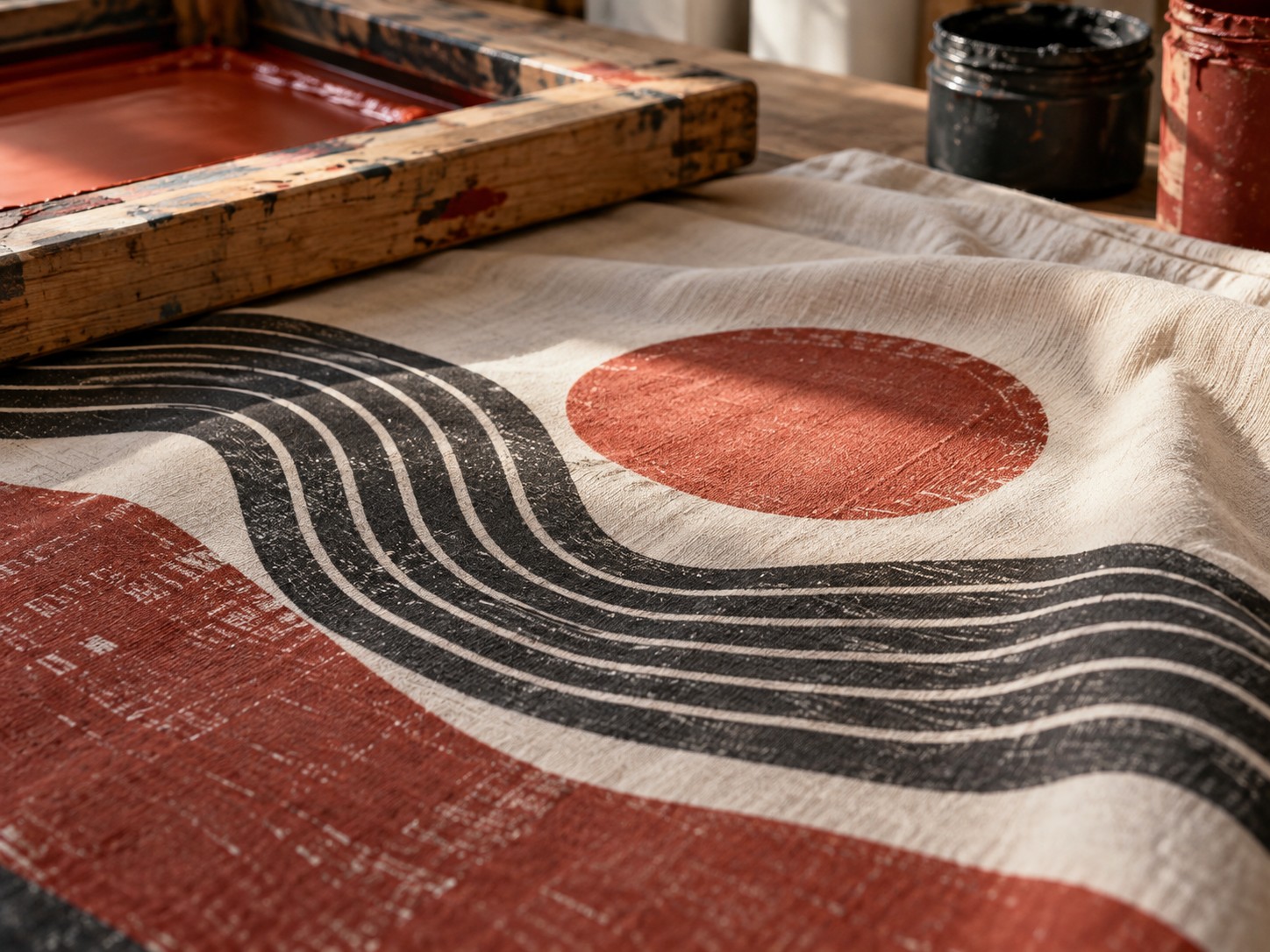
Each method has its strengths, and the right choice depends on the design and the garment. Screen printing lays a thick layer of ink onto the fabric, giving bold, opaque colors that last through many washes. It's cost-effective for large quantities and works best with simple, high-contrast designs. Embroidery uses thread to stitch the logo directly into the fabric, creating a textured, premium look that feels substantial. It holds up extremely well on items like hats, polos, and jackets, but can be more expensive per piece, especially for complex artwork.
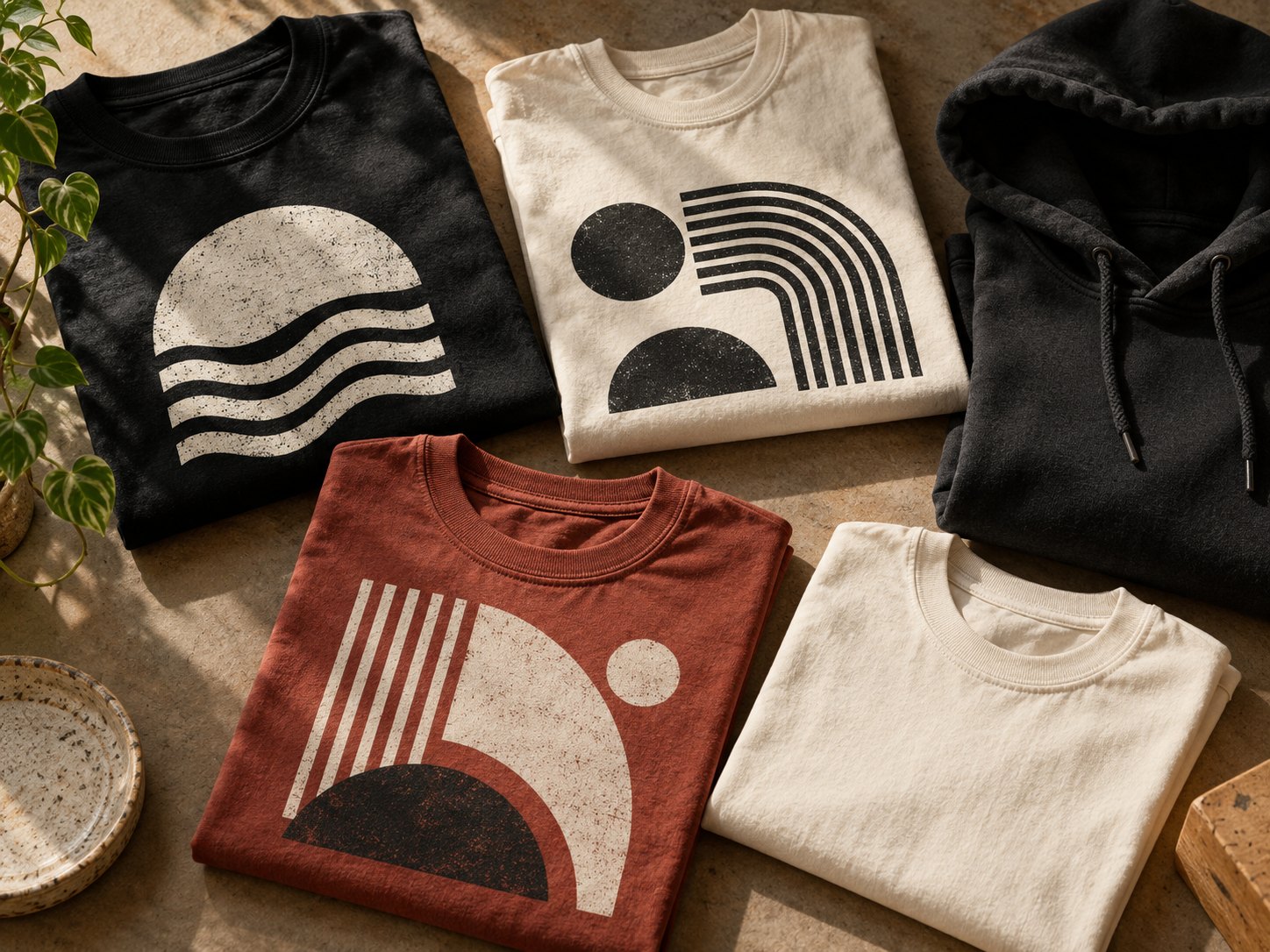
For something like a company picnic T-shirt, screen printing is fast and affordable. For a staff polo worn daily, embroidery adds a level of polish that screen printing can't match. Many organizations split their order: screen-printed tees for events and embroidered polos for office wear. That way, each piece fits its purpose.
Designing for Impact
A good design is more than a logo slapped on a shirt. Think about placement: left chest is classic and professional, but a large back design can turn a simple tee into a walking billboard. Sleeve logos add a subtle detail that people notice up close. Color choice matters too. A design that looks great on a white mockup might get lost on a dark navy garment. High-contrast colors (like white or bright yellow on black) ensure the logo reads clearly from a distance.
I once worked with a soccer club that wanted their crest on the front and a large sponsor logo on the back. The front crest had fine details that would have muddied in screen printing, so we embroidered it. The back logo was solid and bold, perfect for screen printing. Splitting the decoration methods saved them money and gave each element the treatment it deserved.
Budget and Quantities
Custom apparel pricing usually drops per unit as the order size increases. A run of 24 shirts might cost $20 each, while the same shirt at 144 units could be $10 or less. Setup fees - screen creation for printing, digitizing for embroidery - are one-time costs, so ordering more pieces after the initial setup can be cheaper per item. But don't overorder just to get a lower unit price. Leftover inventory that never gets worn is wasted money. Order for the people you know will use the gear, plus a small buffer for new hires or replacements.
Hidden Costs to Watch For
- Artwork preparation fees if your logo needs cleanup or resizing.
- Color charges for screen printing - each additional ink color adds cost.
- Shipping and handling, especially for large or heavy boxes.
- Rush fees if you need the order in less than two weeks.
Working With a Printer
The best results come from clear communication. Send your printer a vector file of your logo (AI, EPS, or PDF) rather than a low-resolution JPEG. Tell them the exact garment styles, colors, and sizes you want. Ask for a proof before production - a digital mockup or physical sample that shows how the finished piece will look. Any good printer will walk you through the process and point out potential issues before they become problems.
One thing I always recommend: order a single sample of each style and size for your team to try on. This step catches fit problems early and gives everyone a chance to voice concerns. It costs a little extra upfront but saves the headache of exchanging dozens of shirts later.
Connect with us on Instagram.
When to Refresh Your Gear
Uniforms wear out. Collars stretch, colors fade, and logos crack after enough washes. Plan to refresh your team's custom apparel every 12 to 18 months for heavy-use items like daily work shirts. For event-specific gear, a one-time run is fine. Keeping some extra stock on hand lets you replace damaged pieces without reordering a full batch. And if your brand evolves - new logo, new tagline, new color palette - it's a good excuse to update the whole lineup at once.
Final Thoughts
Custom apparel done right is an investment in your team's identity. It unifies people, projects competence, and creates a lasting impression with customers and partners. The process takes some planning, but the payoff is gear that people actually want to wear. Whether you need a few dozen shirts for a fundraiser or a full uniform program for a growing business, the same principles apply: choose the right garment for the job, match the decoration to the design, and work closely with a printer who understands your goals.
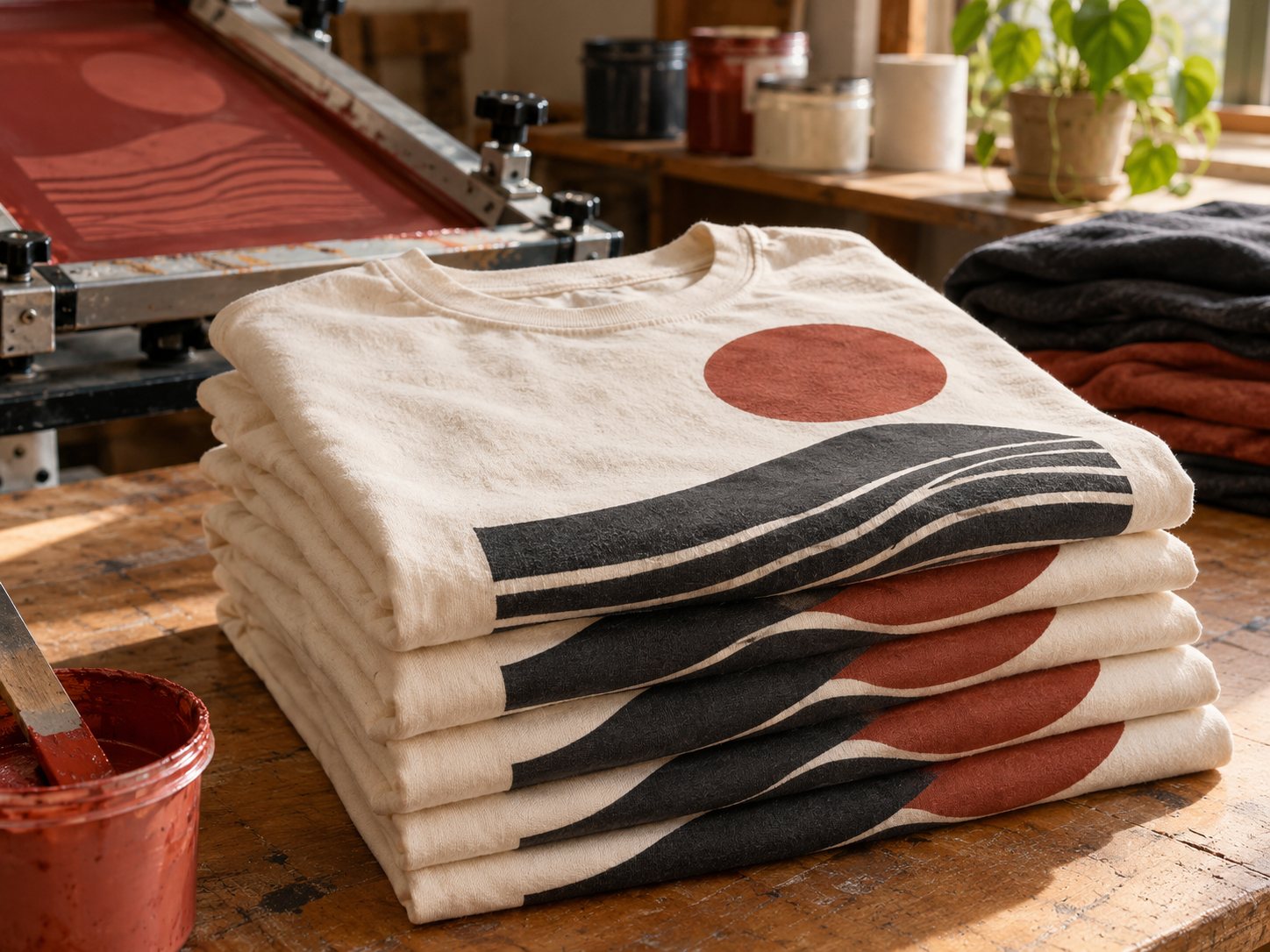
DSP Printing, located at 11611 Salinaz Dr Ste O, Garden Grove, CA 92843, USA, offers custom screen printing and embroidered apparel services for businesses and organizations in the area. You can reach them at +1 714-951-4919 to discuss your next project.